


Radio-electronic reconnaissance (RER): essence and principles of operation
Article content
- What is RER: a basic definition of electronic intelligence
- The tasks and role of electronic intelligence in modern warfare
- PEP agents: types, classification and application
- How electronic intelligence works: stages and technologies
- Advantages, limitations and challenges of using PEP

Source: ChatGPT
In a combat environment, PER acts as the “ears of the army,” recording enemy electronic activity. Unlike intelligence or visual reconnaissance, it does not require a physical presence in the enemy’s area. All information is received remotely via radio.
What is RER: a basic definition of electronic intelligence
Radio-electronic reconnaissance (RER) is a system of measures and technologies aimed at intercepting, analyzing and processing enemy radio signals. RER always operates passively, without emitting its own radiation. Its main task is to collect information about the enemy, its location and intentions for further use of the data obtained in combat operations.
Main components and directions of RER
Covers several specialized areas, each with its own tasks and methods:
- Radio reconnaissance. Interception of communication signals (radio stations, mobile networks, Wi-Fi, satellite channels) to detect command posts, negotiations, and assess unit activity.
- Radio technical reconnaissance. Recording of technical radiation (radars, navigation and guidance) to determine the type of equipment, range and possible models.
- Radar/laser/infrared reconnaissance. Finding laser beams, thermal channels, and other signals that often precede impacts.
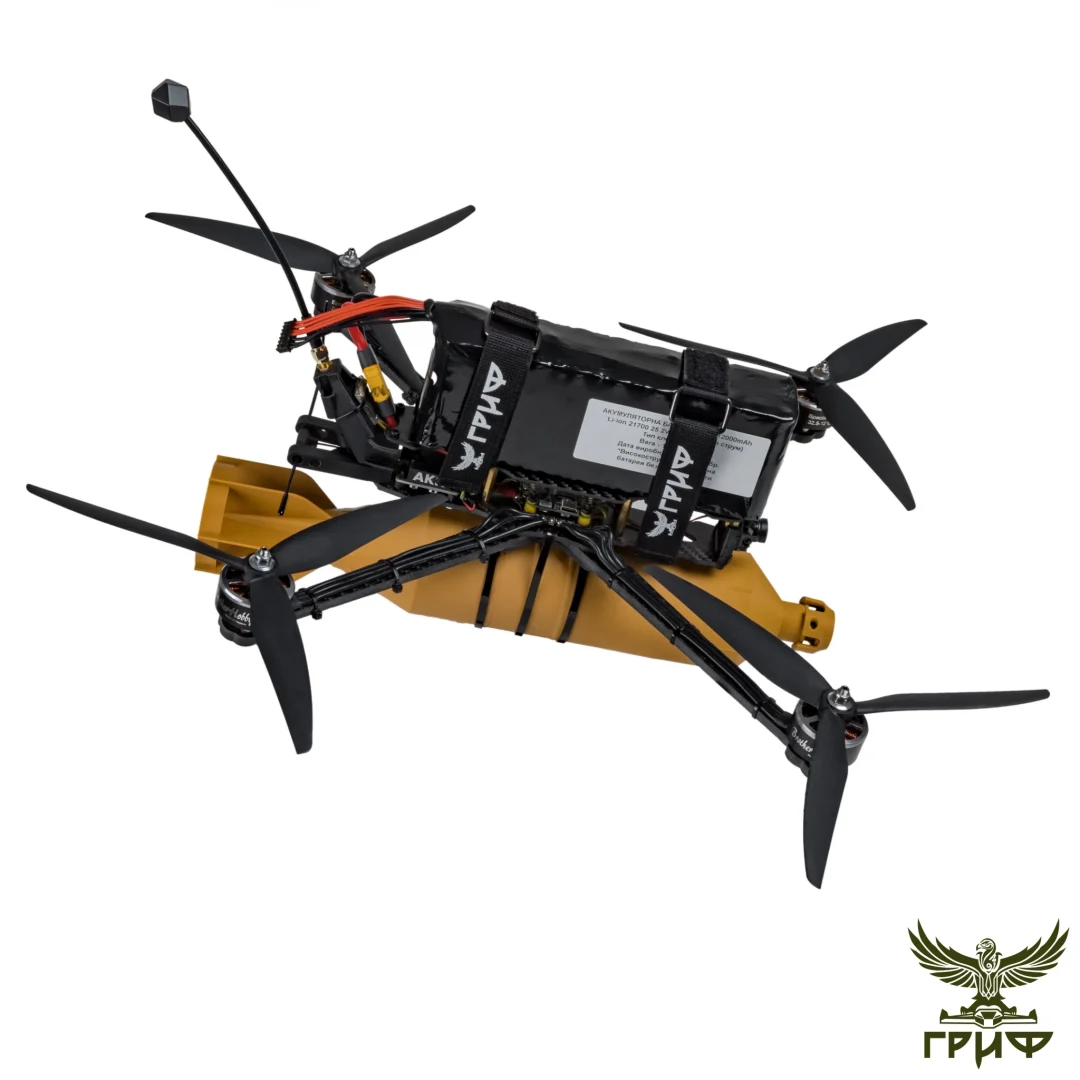
- Detection of drones and FPV systems. Determination of control and video transmission channels, identification of operators, analysis of data to block or warn of an attack.
Differences between RER and EW and other types of intelligence
Although these two areas are based on common physical principles, their purpose and nature of action are different:
- PEP is a passive activity focused on gathering information. Its task is to hear, but not to be heard.
- EW (electronic warfare) is an active action aimed at influencing the electromagnetic environment (suppression, distortion, or substitution of enemy signals).
To better understand EW and EPR, what it means in modern combat, let’s consider the following example. An electronic reconnaissance unit intercepts the signals of an FPV drone, determines its type and the coordinates of the operator. After that, EW means are activated, which block the control of the drone and neutralize the threat.
The tasks and role of electronic intelligence in modern warfare
In a military conflict, where information advantage is often more important than the number of equipment, the PER performs a number of critical tasks:
- Detection and classification of enemy communications and control facilities.
- Determining the geographical location of signal sources (stations, control points, drones).
- Real-time airwave monitoring to warn of FPV drone attacks.
- Analysis of enemy activity to predict actions or troop movements.
- Providing data to electronic warfare, artillery, aviation, and cyber intelligence units.
- Finding control channels for precision weapons, navigation systems, and repeaters.
The use of radar reconnaissance in the war against Russia allows the Armed Forces of Ukraine to timely detect threats, determine the enemy’s coordinates, and effectively plan counterattacks.
PEP agents: types, classification and application
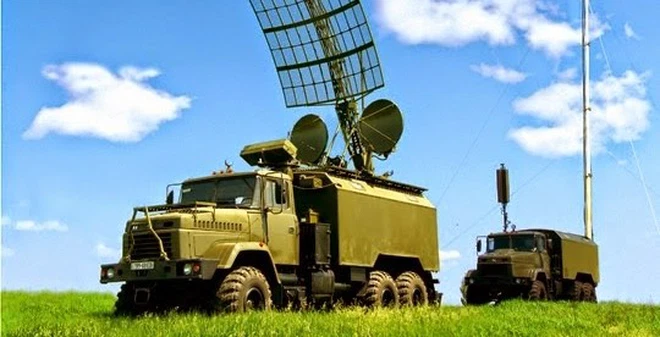
Systems are divided into strategic (long-range satellite and ground-based systems), operational (mobile stations for analyzing the situation in the region), and tactical (portable devices that operate directly on the battlefield).
Tactical systems for intercepting signals
They provide early identification of threats. On the front line, PEP is used in the form of compact receivers and detectors capable of detecting the activity of enemy drones, communication stations or transmitters. Some Ukrainian developments successfully record signals from FPV drones and quadcopters at frequencies of 150–6000 MHz, which allows for early warning of danger to fighters.

Source: ChatGPT
Spectral analysis and localization
Once a hostile signal is detected, the system determines the frequency, power, and modulation type. This information helps:
- classify the source;
- assess the technological level of the enemy’s equipment;
- choose further methods of action.
Analysis data is used to predict enemy behavior and identify activity patterns in its communication systems.
How electronic intelligence works: stages and technologies
The RER process consists of several sequential stages, each of which requires specialized equipment and software:
- Signal interception. Antennas and receivers scan the radio spectrum in specified ranges (from low MHz to GHz) and detect active emissions (e.g. radio stations, drone control channels, radars, etc.).
- Filtering and identification. Intercepted data is cleaned of noise and interference. Radiation parameters are analyzed and compared with signature databases to determine the type of source.
- Determining coordinates. Using direction finding or triangulation from multiple antennas (receivers), the system allows you to accurately fix the position of the drone operator or communication station.
- Data transmission and application. The results are sent to command centers or EW/firearms units. They are used to make decisions – from warning of a threat to suppressing or defeating a target.
Most modern complexes are equipped with automated processing modules and artificial intelligence elements. This allows for rapid response where a few extra minutes or seconds can save lives.
Advantages, limitations and challenges of using PEP
The effectiveness of electronic reconnaissance depends on many factors. It is influenced by the technical capabilities of the equipment, the level of personnel training, and the characteristics of the operational environment.
Advantages:
- Collecting information without risk to personnel.
- Real-time threat detection.
- Work without active radiation, which makes recognition difficult.
Limitation:
- The complexity of working in conditions of active enemy electronic warfare.
- High cost and need for skilled operators.
Challenges:
- Adaptation to new enemy technologies.
- Protecting your own systems from enemy EPR.
- Integration with other types of intelligence and electronic warfare.
Despite limitations and challenges, radar systems continue to actively develop thanks to innovative solutions in signal processing. Our company stands out among Ukrainian developers implementing similar technologies.

Ready-to-fly aviation complex with remote control, tablet, mast-mounted repeater, FPV goggles, and 500 drones in the set
Warning: Undefined array key 1 in /home/hryf/drongrif.com/www/wp-content/themes/Proacto-Theme/template-parts/blocks/pr-products-sidebar.php on line 40
0
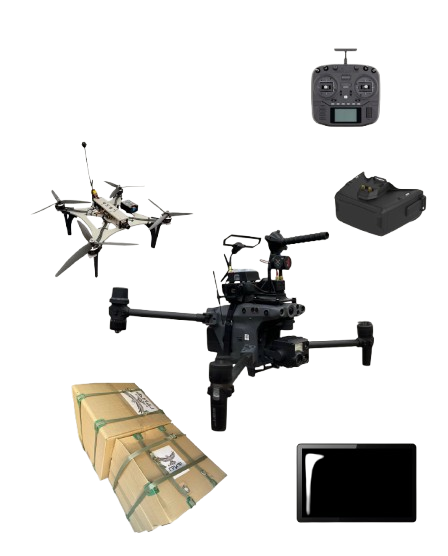
A complex with a Mavic charging station, a repeater and full support for combat missions.
Warning: Undefined array key 1 in /home/hryf/drongrif.com/www/wp-content/themes/Proacto-Theme/template-parts/blocks/pr-products-sidebar.php on line 40
0

FPV drone 10 for strike missions. Operating range up to 20+ km, combat load up to 3 kg. Ideal for mass use.
Warning: Undefined array key 1 in /home/hryf/drongrif.com/www/wp-content/themes/Proacto-Theme/template-parts/blocks/pr-products-sidebar.php on line 40
0
Frequently asked questions
-
What does electronic reconnaissance (ERR) include?
A set of actions to intercept, analyze, and decipher enemy electromagnetic signals to obtain intelligence information.
-
What are the main tools for RER and how are they used?
Antennas, receivers, spectrum analyzers, software data processing systems from large stations to portable detectors.
-
How does PEP help detect FPV drones and quadcopters?
Intercepts control and video transmission signals (2.4/5.8 GHz), determines the type of drone and the operator’s coordinates even before takeoff.
-
What advantages does RER have in countering hostile threats?
Provides early warning, allows planning of countermeasures and increases the effectiveness of electronic warfare.
-
Are there limitations to the effectiveness of electronic intelligence?
Yes, its operation is affected by radio interference, encrypted signals, and active enemy electronic warfare, but the development of technology and AI reduces these limitations.


