

FPV drones: everything you need to know about technology, types and applications
Article content
- What is an FPV drone?
- The history of the development of FPV drones
- FPV drones vs regular drones: key differences
- Types of FPV drones: what are they?
- Design features and components of an FPV drone
- Main technical characteristics of FPV drones
- The use of FPV drones for military purposes
- How FPV drones affect the course of the Russian-Ukrainian war
- What to consider before buying an FPV drone
- Real examples of successful operations
- Future development and prospects of FPV drones
Even children in Ukraine understand how important “steel birds” are for our military. FPV drones are an effective tool for reconnaissance, targeted strikes, and civilian missions.
Let’s take a closer look at FPV drones, what they are, how the models differ, and how they are used in important operations.
What is an FPV drone?
An FPV drone is an aircraft with a First-Person View (FPV) display. In simple terms, it transmits a real-time signal to the pilot’s goggles or monitor.
The systems are equipped with highly specialized cameras and signal transmitters for minimal latency and maximum maneuverability. FPV drones are used where speed and precise manual control are required.
The history of the development of FPV drones
FPV technology originated in the amateur community – enthusiasts combined mini-cameras with radio modules. Later, professional engineers adapted the solution for industrial and military needs:
- improved the signal;
- introduced secure communication channels;
- increased battery reliability;
- added modules for working in electronic warfare conditions.
In Ukraine, the development of drones has accelerated, and Euro Invest LTD has become one of the drivers of this process.
FPV drones vs regular drones: key differences
Conventional drones are focused on stability, ease of control, and quality video. In contrast, an FPV drone is a device that requires complete manual control. They are smaller, faster, and more durable due to their simple and reliable design.
Types of FPV drones: what are they?
Before considering the design, it is useful to understand the typology.
An FPV drone is a device that can be classified by purpose and size:
- Racing – light, with high engine speeds.
- Freestyle is optimal for tricks and camera videos.
- Shock (kamikaze) – disposable or semi-disposable with a combat load.
- Reconnaissance – with a thermal imager or optical camera, often with electronic warfare protection.
- Universal – with the ability to change kits for different purposes.
The variety of types allows you to choose a solution for any scenario.
Design features and components of an FPV drone
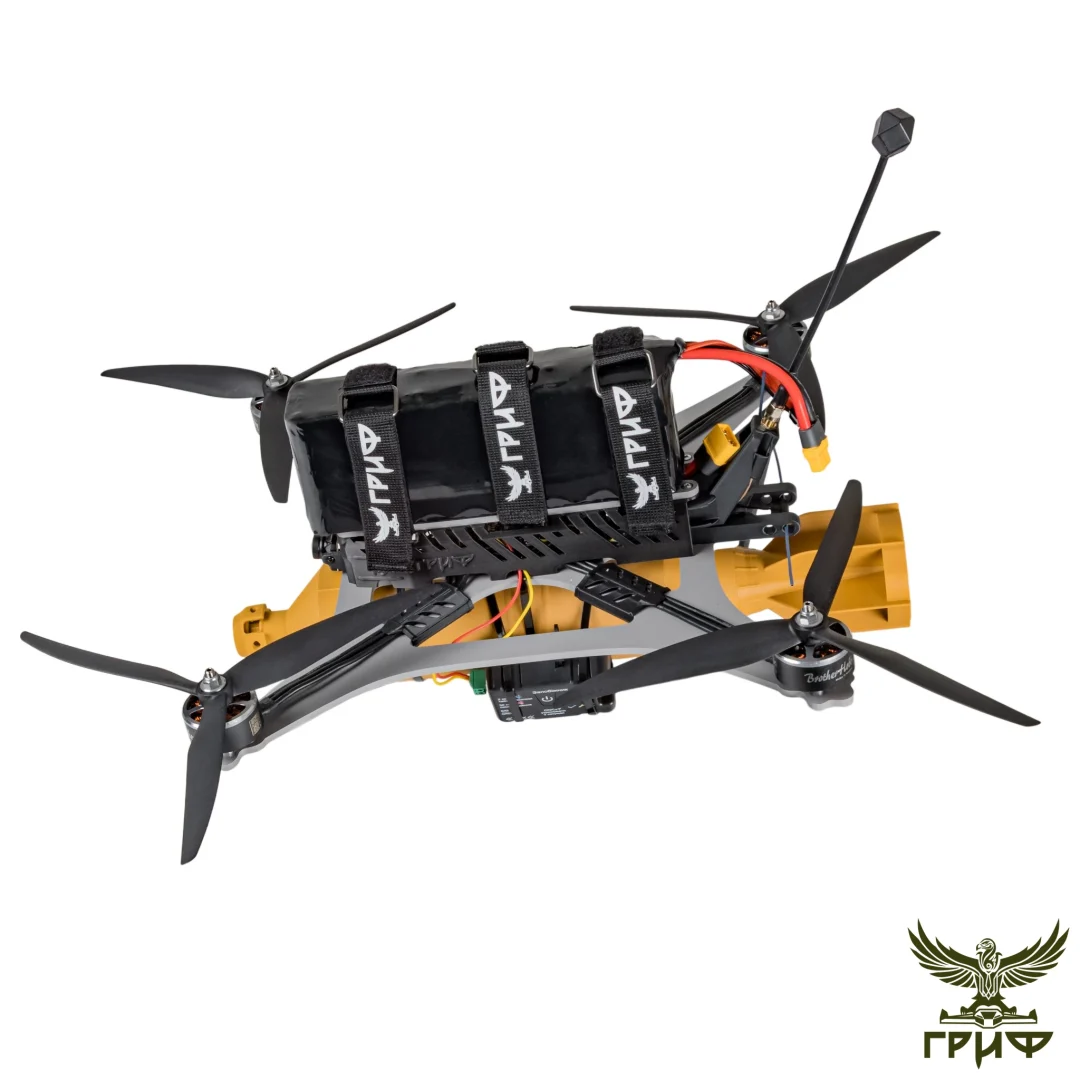
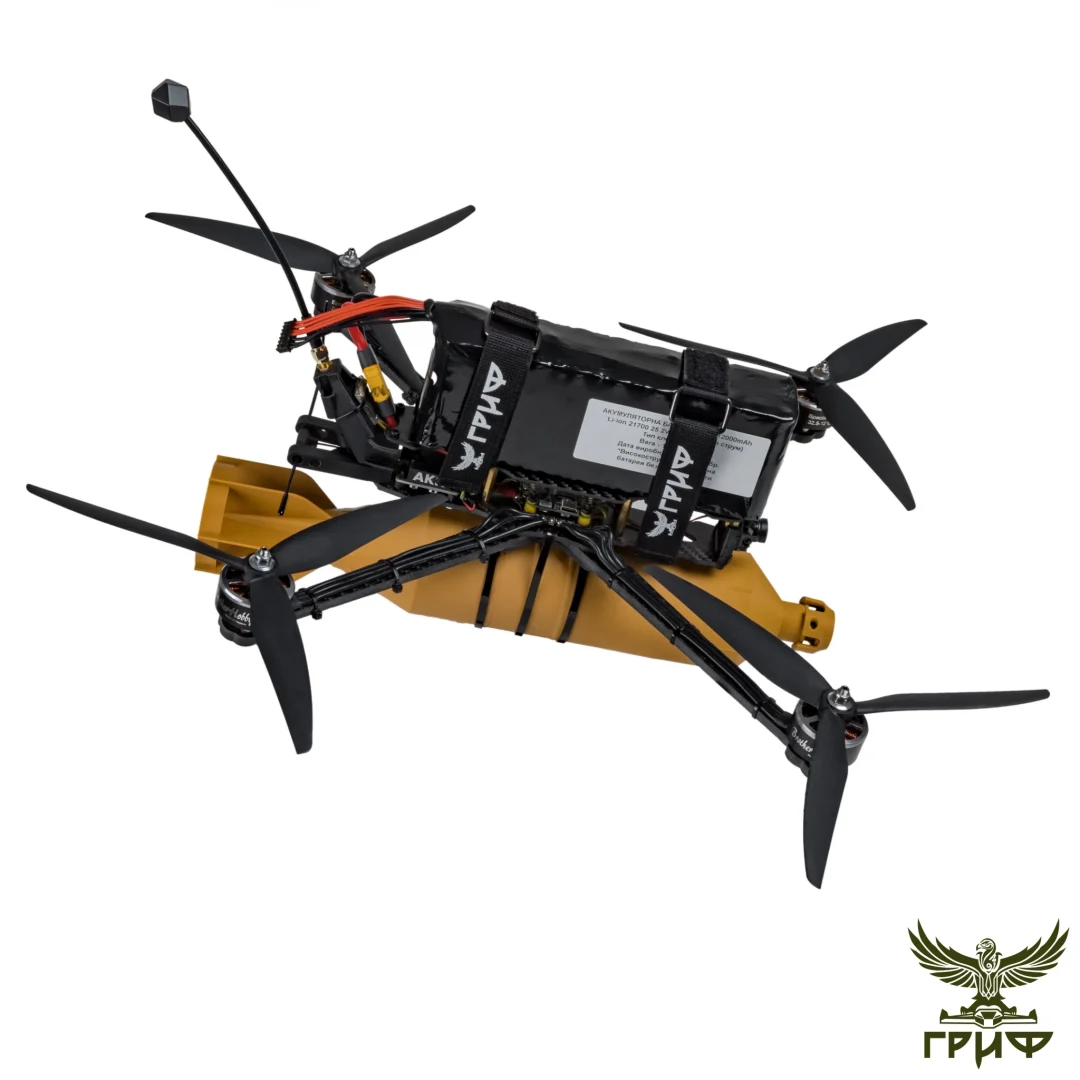
FPV drone – what is it in terms of design? Let’s consider its structure, because all models have common key elements:
- strong frame;
- high-power engines;
- camera with video transmission;
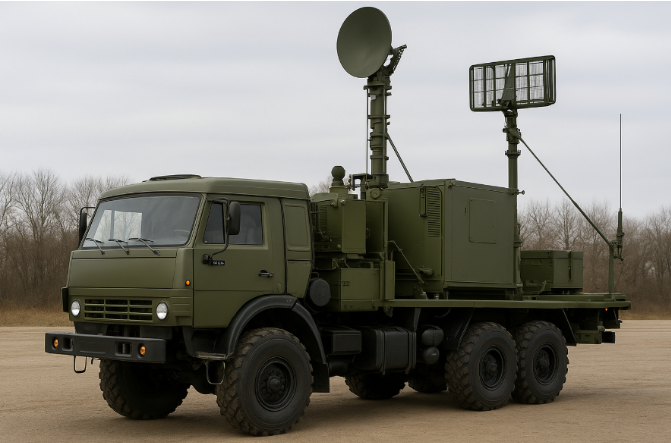
- antennas and amplifier for a stable signal;
- replaceable battery;
- controller for precise control;
- auxiliary accessories and charging stations.
In short, every detail is optimized for the speed and weight of the device.
Main technical characteristics of FPV drones
Before buying, you should know the basic parameters: motor thrust, battery operating voltage, flight time, control range, payload weight, camera type, and signal transmitter sensitivity. It is also important to pay attention to the presence of signal amplifiers in the ground station and the compatibility of the goggles with the video input.
The use of FPV drones for military purposes
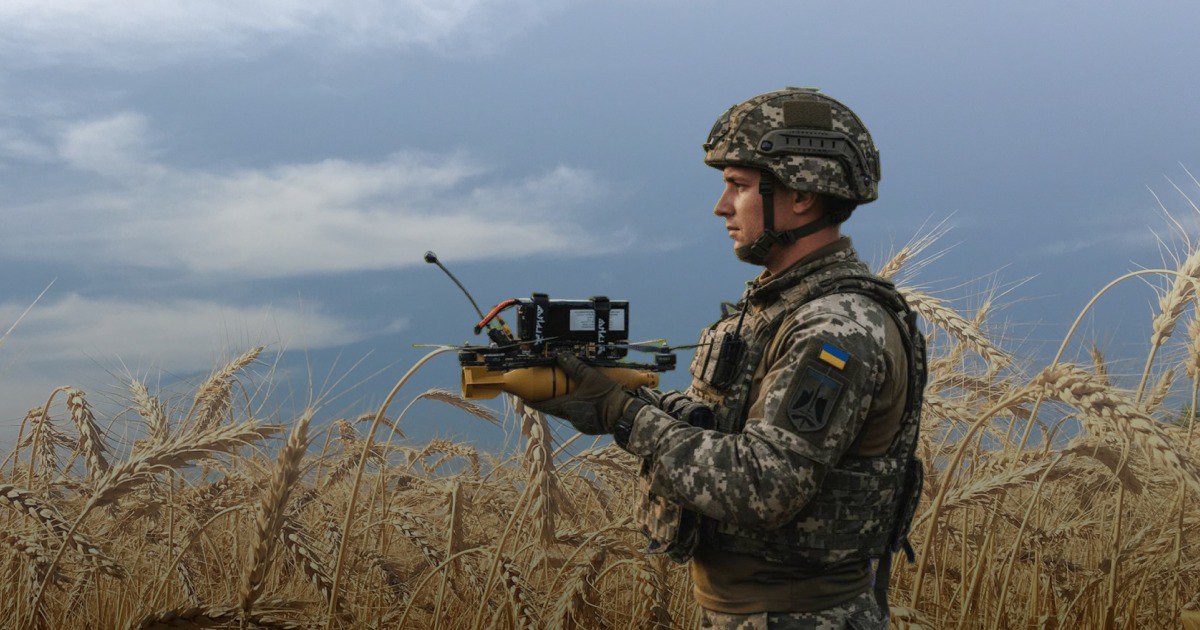
An FPV drone is a versatile “soldier” on the battlefield. It is capable of performing functions that previously required heavy equipment.

FPV drones for destroying equipment and manpower
They are used for precision attacks on armored vehicles and fortified positions. Their high speed allows them to avoid obstacles and inflict significant losses on the enemy.
FPV drones as a means of air defense
Some models can counter enemy drones, making them a mobile element of air defense.
FPV drones for reconnaissance and reconnaissance
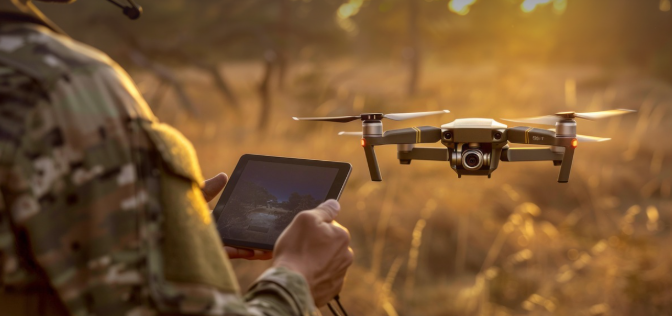
A high-quality camera and a stable signal allow for surveillance and artillery adjustment. Such models often have anti-interference (anti-EW) protection and backup communication channels.
How FPV drones affect the course of the Russian-Ukrainian war
FPV drone – what does it mean for Ukraine? In wartime, it is an important tool that saves the lives of soldiers and gives them an advantage on the front. These devices have proven effective in urban combat and in illuminating enemy positions.
What to consider before buying an FPV drone
Choose a platform for your specific mission. Consider total weight, flight time, and compatibility with ground devices.
Defeat of enemy combat positions, military equipment and forces
Before performing a spot treatment, pay attention to the following key points:
- load capacity;
- range and signal stability in interference conditions;
- speed and maneuverability;
- battery reliability and the ability to quickly replace batteries in the field.
These parameters will determine whether the vehicle will be able to accurately reach the target and return or complete the mission in one go.
Anti-aircraft weapon
To use FPV as a tool for air defense depletion, check:
- flight time and the possibility of quick recovery through charging stations;
- unit cost (to produce more models at the same time);
- compatibility with terrestrial repeaters and the presence of signal amplifiers.
This will help plan massive attacks with managerial economics.
Intelligence and reconnaissance
For information gathering, the priorities are different. Here the following are important:
- quality of optics and compatibility with thermal imagers or sensors;
- video transmission channel stability;
- availability of protected channels and backup antennas for operation in electronic warfare zones.
These factors will provide accurate, real-time data for decision-making.
Real examples of successful operations
Every day, our soldiers perform special missions with the help of drones. But there is one event that, without exaggeration, shook the whole world – Operation “Web”. This is one of the largest and most effective Ukrainian special operations. It demonstrated what a small FPV drone is capable of and that it is a powerful tool in modern warfare.
Future development and prospects of FPV drones
FPV drones are expected to gain more autonomy, better batteries, and integration with artificial intelligence, opening up new possibilities for armies and making such devices even more dangerous to the enemy.

Ready-to-fly aviation complex with remote control, tablet, mast-mounted repeater, FPV goggles, and 500 drones in the set
Warning: Undefined array key 1 in /home/hryf/drongrif.com/www/wp-content/themes/Proacto-Theme/template-parts/blocks/pr-products-sidebar.php on line 40
0
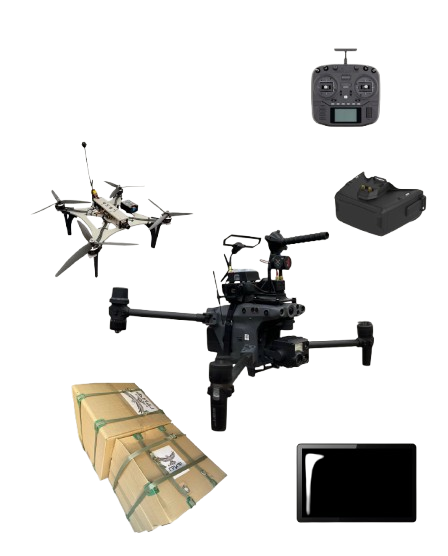
A complex with a Mavic charging station, a repeater and full support for combat missions.
Warning: Undefined array key 1 in /home/hryf/drongrif.com/www/wp-content/themes/Proacto-Theme/template-parts/blocks/pr-products-sidebar.php on line 40
0

FPV drone 10 for strike missions. Operating range up to 20+ km, combat load up to 3 kg. Ideal for mass use.
Warning: Undefined array key 1 in /home/hryf/drongrif.com/www/wp-content/themes/Proacto-Theme/template-parts/blocks/pr-products-sidebar.php on line 40
0
Frequently asked questions
-
How does the design of an FPV drone differ from a regular quadcopter?
The main difference is a compact body, powerful engines, and special antennas with a high signal level.
-
What are the features of controlling an FPV drone for beginners?
The pilot controls through goggles, which requires training. Beginners are advised to start with simulators.
-
What are the risks and limitations associated with using FPV drones?
These include limited battery life, dependence on charging stations, vulnerability to interference, and the risk of losing the device in the event of a failure.